
Hamza, son of Al Jazeera’s Wael Dahdouh, killed in Israeli attack in Gaza
An Israeli attack targeted the car he was travelling in with two other journalists.
The next Bisan Lecture webinar will take place on January 10th at 7pm Palestine time (6pm Central European Time, 12 noon US Eastern time). We will have the pleasure to welcome Prof. John Hardy (University College London) who will speak (in English with simultaneous Arabic translation for those who wish) on Alzheimer’s disease: from genetic analysis towards (limited) successful treatment.
An education department official resigned this week, and 17 staffers sent an anonymous letter calling for a ceasefire
Humanitarian chief fears ‘famine is around the corner’ with 85% of population displaced and more than 20,000 dead
As hunger and thirst have become a reality for millions of Palestinians in the Gaza Strip, the undersigned Palestinian organizations write to raise their serious concerns regarding the amount of aid entering Gaza, its distribution, and consequences of the deference shown by UN agencies to Israel’s unlawful restriction of humanitarian relief.
Interview with Hennie Strydom, president of SABILA and professor at the University of Johannesburg on the subject of the ICJ referral against Israel.
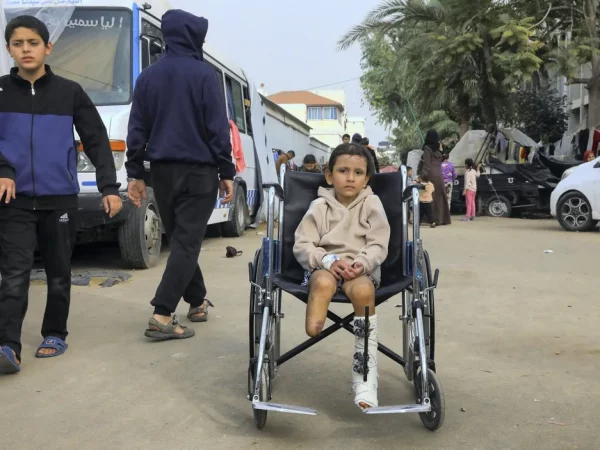
Bombing has displaced more than a million in Gaza — but none of them are safe from hunger
An analysis of the “voluntary” displacement of the Gaza Strip and related, by Mouin Rabbani
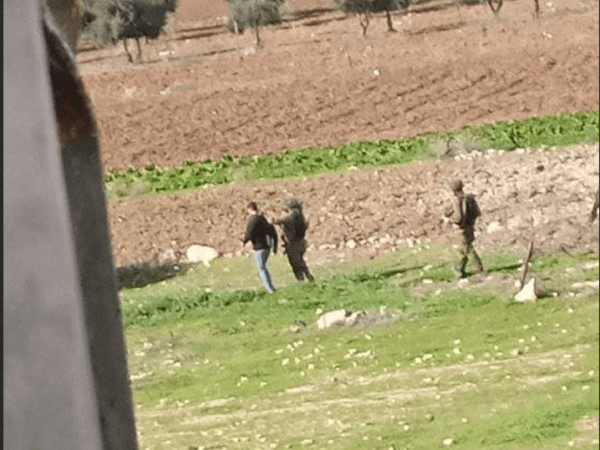
The war in Gaza has provided Israeli settlers fresh opportunity and impunity. I see entire villages fleeing in panic.
In the first month of its war in Gaza, Israel dropped hundreds of massive bombs, many of them capable of killing or wounding people more than 1,000 feet away, analysis by CNN and artificial intelligence company Synthetaic suggests.
Satellite imagery from those early days of the war reveals more than 500 impact craters over 12 meters (40 feet) in diameter, consistent with those left behind by 2,000-pound bombs. Those are four times heavier than the largest bombs the United States dropped on ISIS in Mosul, Iraq, during the war against the extremist group there.
Weapons and warfare experts blame the extensive use of heavy munitions such as the 2,000-pound bomb for the soaring death toll. The population of Gaza is packed together much more tightly than almost anywhere else on earth, so the use of such heavy munitions has a profound effect.
“The use of 2,000-pound bombs in an area as densely populated as Gaza means it will take decades for communities to recover,” said John Chappell, advocacy and legal fellow at CIVIC, a DC-based group focused on minimizing civilian harm in conflict.