Genocide in Gaza through the eyes of Israeli soldiers | The Listening Post
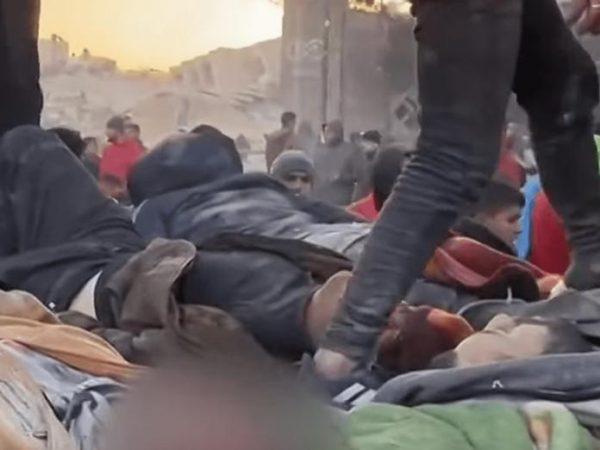
For months, Israeli soldiers in Gaza have been documenting their own war crimes against Palestinians and sharing them on social media.


For months, Israeli soldiers in Gaza have been documenting their own war crimes against Palestinians and sharing them on social media.
Israeli military denies shooting into large crowds of hungry people and says most were killed in crush or run over trying to escape
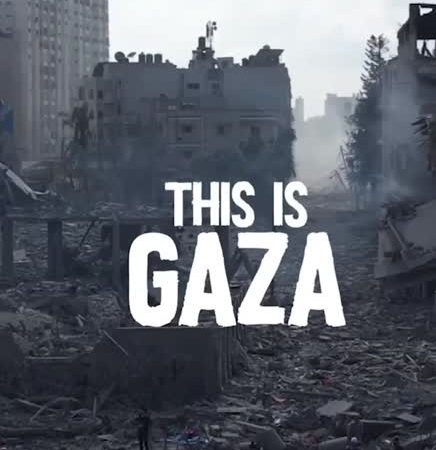
The idea for the “This is Gaza” series came a few days after the war on Gaza started in October. The images we were all getting in the media were similar to the images we got from Gaza in 2008, 2012, 2014, 2015, and 2019; they were images of killed people, mostly women and children, and of destroyed buildings. Despite the importance of conveying these images to the world, we felt that they were missing something important: images of life. We saw dead people without seeing what they did when they were alive, and we saw destroyed buildings with- out seeing them when they were schools, mosques, theatres or sports clubs. Just as the images were only of war and death, the voices talked only about war and death. As an organization that works in arts and culture, we asked ourselves: where are the voices of artists and writers? Do these voices, and the images they convey, have a place amidst such terrible tragedy? We decided to launch this modest attempt at presenting some of the literary voices in Gaza, first because they deserve to be heard, because these voices go further and deeper than media reports and political statements, and because the voice and image of Gaza are incomplete without those of artists and writers. In Gaza there are hundreds of literary writers, theatre practitioners, musicians, film-makers and visual artists, and tens of theatre and music groups, galleries, museums, libraries and cultural centres, just like in any other urban community in the world.
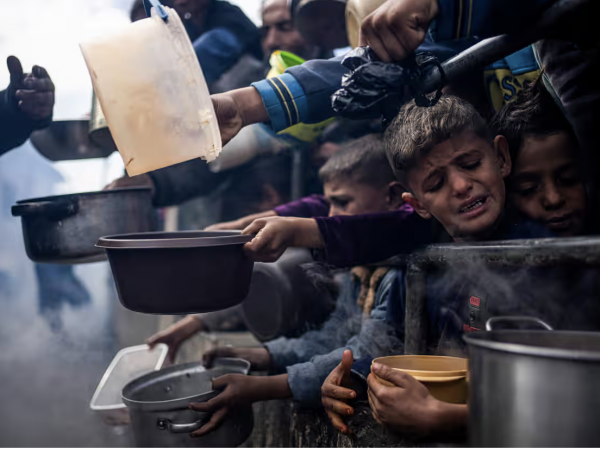
Exclusive: UN special rapporteur on the right to food Michael Fakhri says denial of food is war crime and constitutes ‘a situation of genocide’
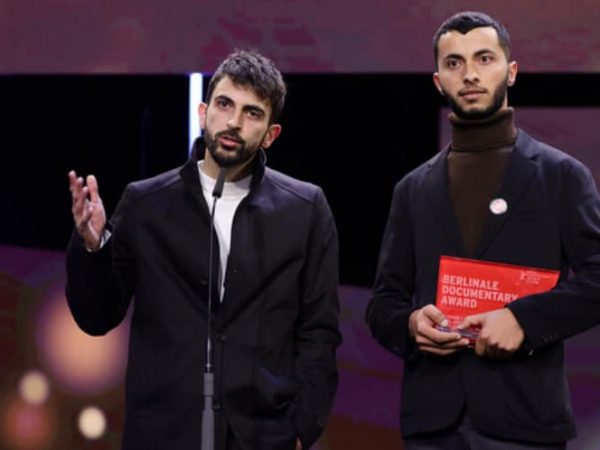
Yuval Abraham criticises German officials, saying statement devalues term ‘antisemitism’ and puts Jewish lives in danger
Statement by the Humanitarian Country Team in Palestine
The University Board at OsloMet has decided not to enter into new general cooperation agreements with Israeli universities. The exchange agreement with the University of Haifa is put on hold.
Chat became a lifeline for a doctor fighting to save his patients injured by Israeli attacks near and against the hospital itself
Intel report says some accusations that aid workers participated in Hamas attacks credible but could not be independently verified
Eight of the original 39 premature babies died before the rescue, according to Palestinian health officials. Three stayed in southern Gaza.